Upcoming event
Memory Twin to Feature at MuseumNext Digital Collections Summit 2026
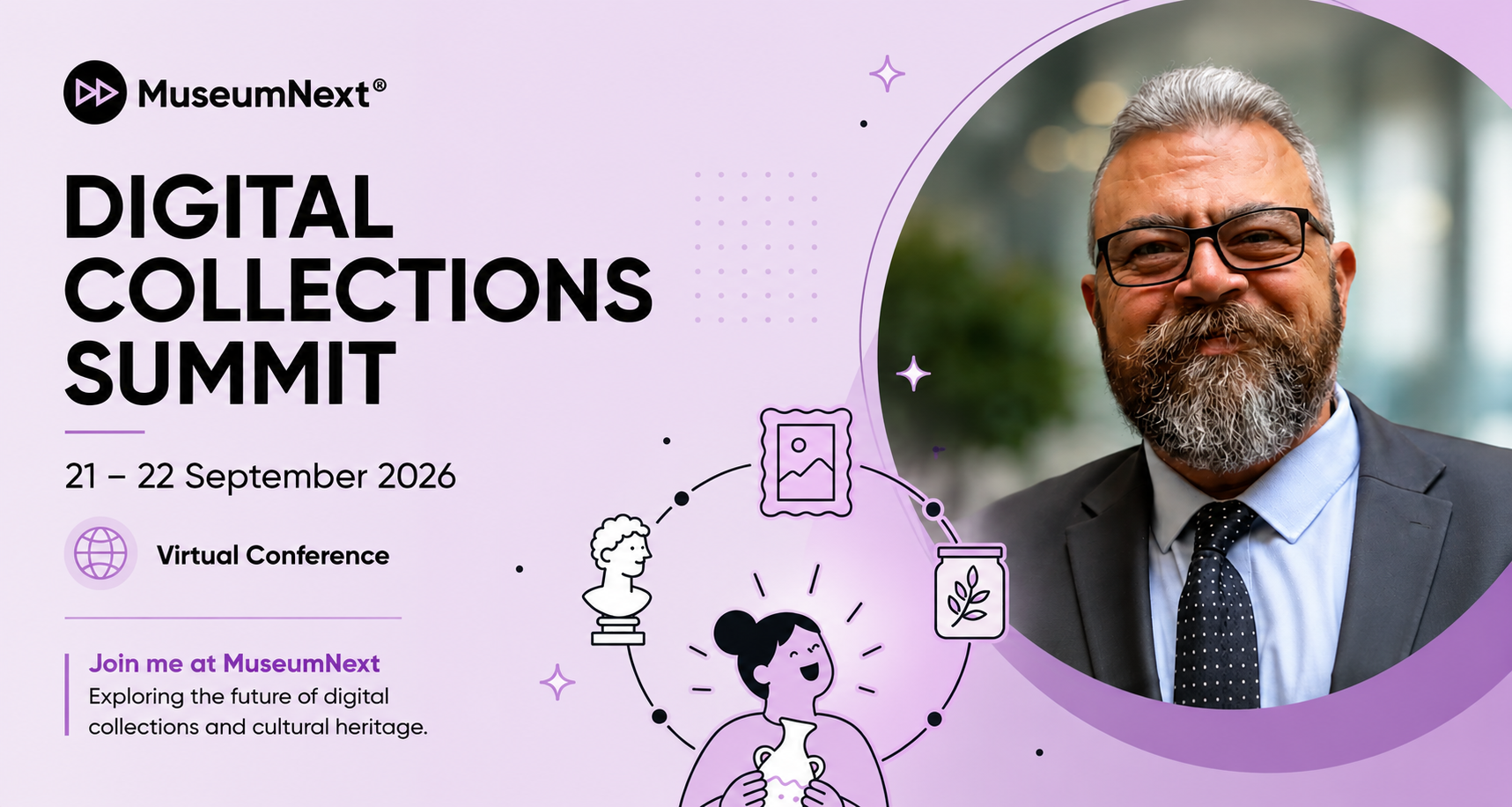
The Memory Twin framework continues to gain international recognition, with its latest presentation scheduled for the MuseumNext Digital Collections Summit 2026, one of the leading global events exploring the future of digital collections, museum technology, and cultural heritage innovation.
Beyond Digitisation: Building Knowledge-Rich Heritage Ecosystems
As museums increasingly move beyond traditional digitisation towards more integrated, knowledge-driven approaches, the Memory Twin methodology offers a new perspective on how cultural heritage can be preserved, understood, and shared in the digital age.
The presentation, "Beyond 3D Models: Creating a Memory Twin for Malta's Ġgantija Archaeological Park", will showcase how Heritage Malta has applied the Memory Twin framework to one of the world's most significant prehistoric monuments.
While conventional digitisation often focuses on creating digital surrogates of objects and sites, Memory Twins seek to preserve something far more valuable: the knowledge surrounding them.
By connecting 3D documentation with archaeology, conservation records, research data, oral histories, interpretation, and cultural memory, Memory Twins transform digital assets into living knowledge ecosystems that can continue to evolve as new information emerges.
The Ġgantija Memory Twin
The case study presented at MuseumNext focuses on the UNESCO World Heritage Site of Ġgantija, where Heritage Malta has been exploring how digital technologies can be used to bring together decades of research, conservation interventions, documentation, and interpretation within a single interconnected environment.
The project demonstrates how enriched digital heritage models can support:
- Long-term knowledge preservation
- Research and scholarly collaboration
- Conservation planning and monitoring
- Visitor engagement and interpretation
- Future immersive experiences
- Digital stewardship of cultural heritage
Rather than treating digitisation as the end goal, the Memory Twin framework sees digital documentation as the foundation upon which richer and more meaningful heritage experiences can be built.
Why This Matters
Museums, archives, and heritage organisations worldwide are facing an important challenge: how to preserve not only cultural assets, but also the knowledge, context, and stories that give them meaning.
As technologies such as artificial intelligence, spatial computing, knowledge graphs, and immersive experiences continue to evolve, the need for structured, trustworthy, and interconnected heritage knowledge becomes increasingly important.
Memory Twins provide a framework for addressing this challenge by ensuring that cultural heritage is documented not as isolated digital files, but as part of a connected and evolving knowledge ecosystem.
Join the Conversation
The MuseumNext Digital Collections Summit brings together museum professionals, technologists, collection managers, and digital heritage practitioners from around the world to discuss the future of digital collections.
The inclusion of the Memory Twin framework within this international programme represents another important opportunity to advance discussions around knowledge-centred digitisation and the future of cultural heritage stewardship.
As the sector continues to explore what comes after digitisation, Memory Twins invite us to ask a fundamental question:
What if we could preserve not only the heritage itself, but everything we know about it?