Memory Twin

Applications

The Memory Twin on the ground

A trawler, a villa, a mountain village, a national collection and the memory of a dockyard: six places and programmes where data, metadata and paradata have been put to work on real heritage.

One

Direct Memory Twin implementations

These projects explicitly describe themselves as Memory Twin applications, and form the primary case studies for the framework.

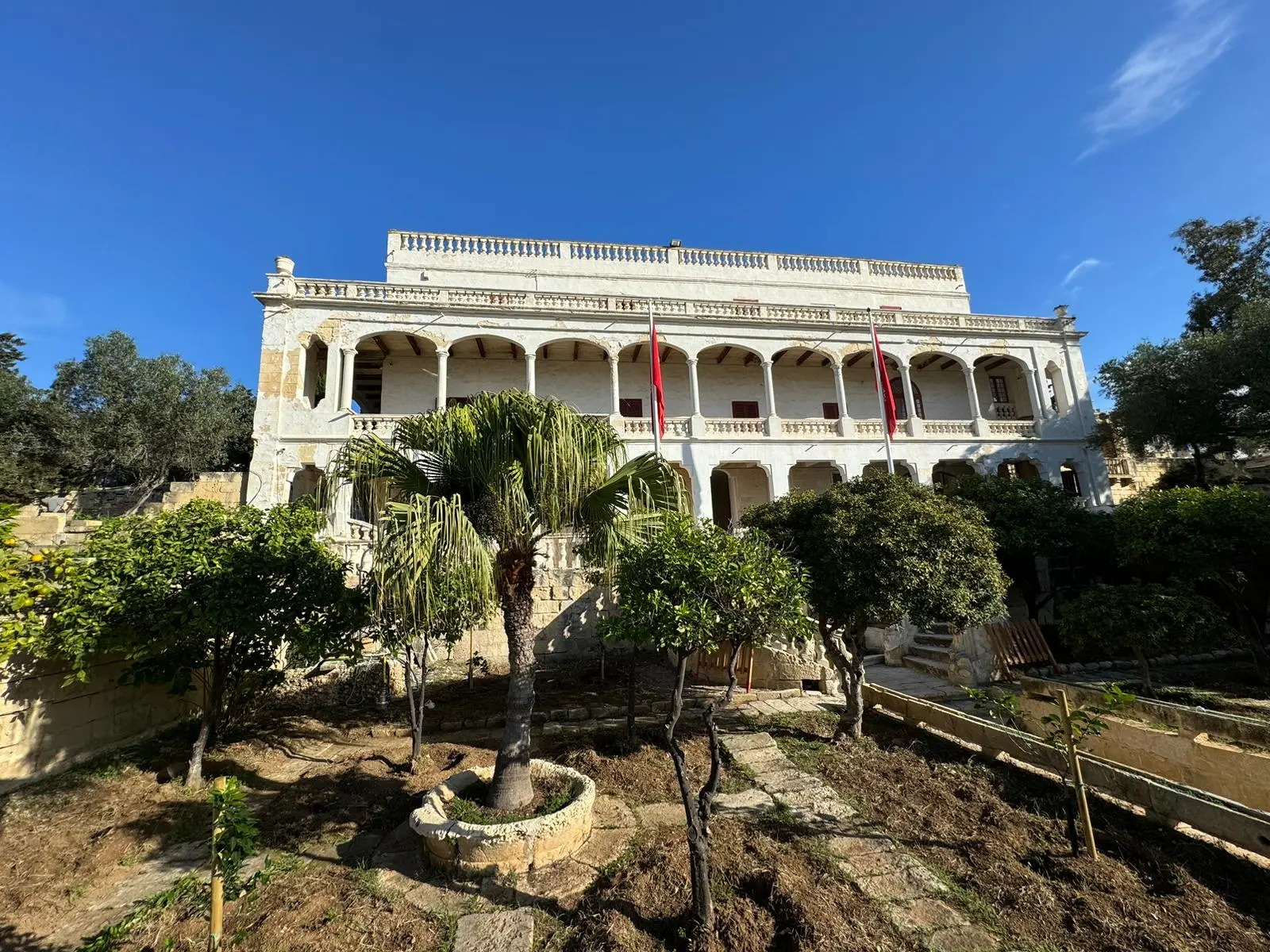
Villa Portelli in Kalkara, Malta, its arcaded limestone façade seen from the terraced garden.

AKalkara, Malta

Villa Portelli

A building whose naval and community histories resist purely geometric description, documented as a single record of fabric, testimony and future use.

Villa Portelli is currently the clearest published example of the complete Memory Twin philosophy. It connects a physical place with its naval and community history, its former users, lived experience and future reuse.

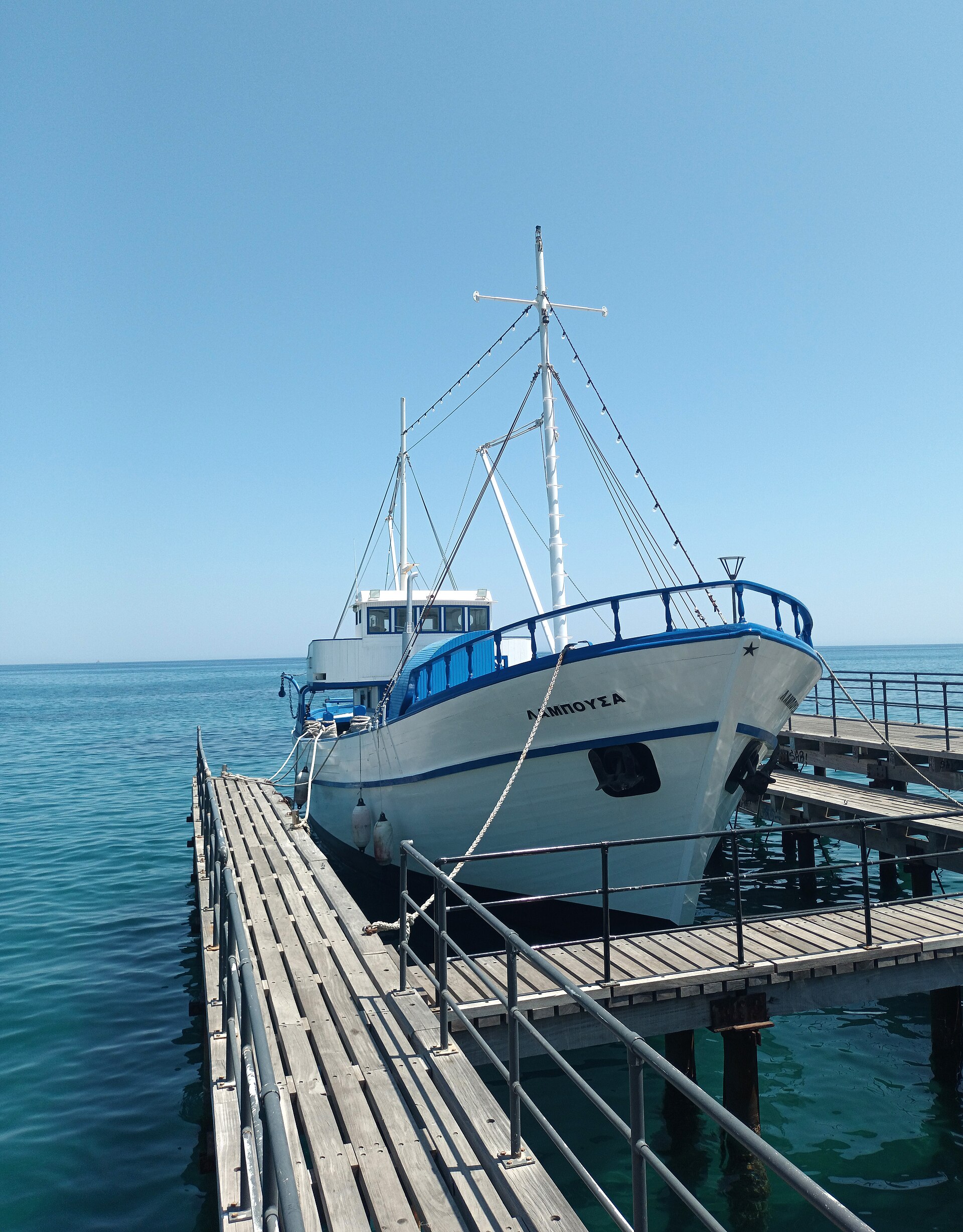
The restored wooden fishing trawler Lambousa moored at Limassol, Cyprus.

BCyprus

Lambousa fishing trawler

A twentieth-century wooden trawler recorded before, during and after restoration, with the craft knowledge that built her captured alongside the geometry.

Perhaps the best technically documented operational Memory Twin currently available. It shows exactly how physical capture, restoration paradata, craftsmanship, historical narrative and public access can be combined.

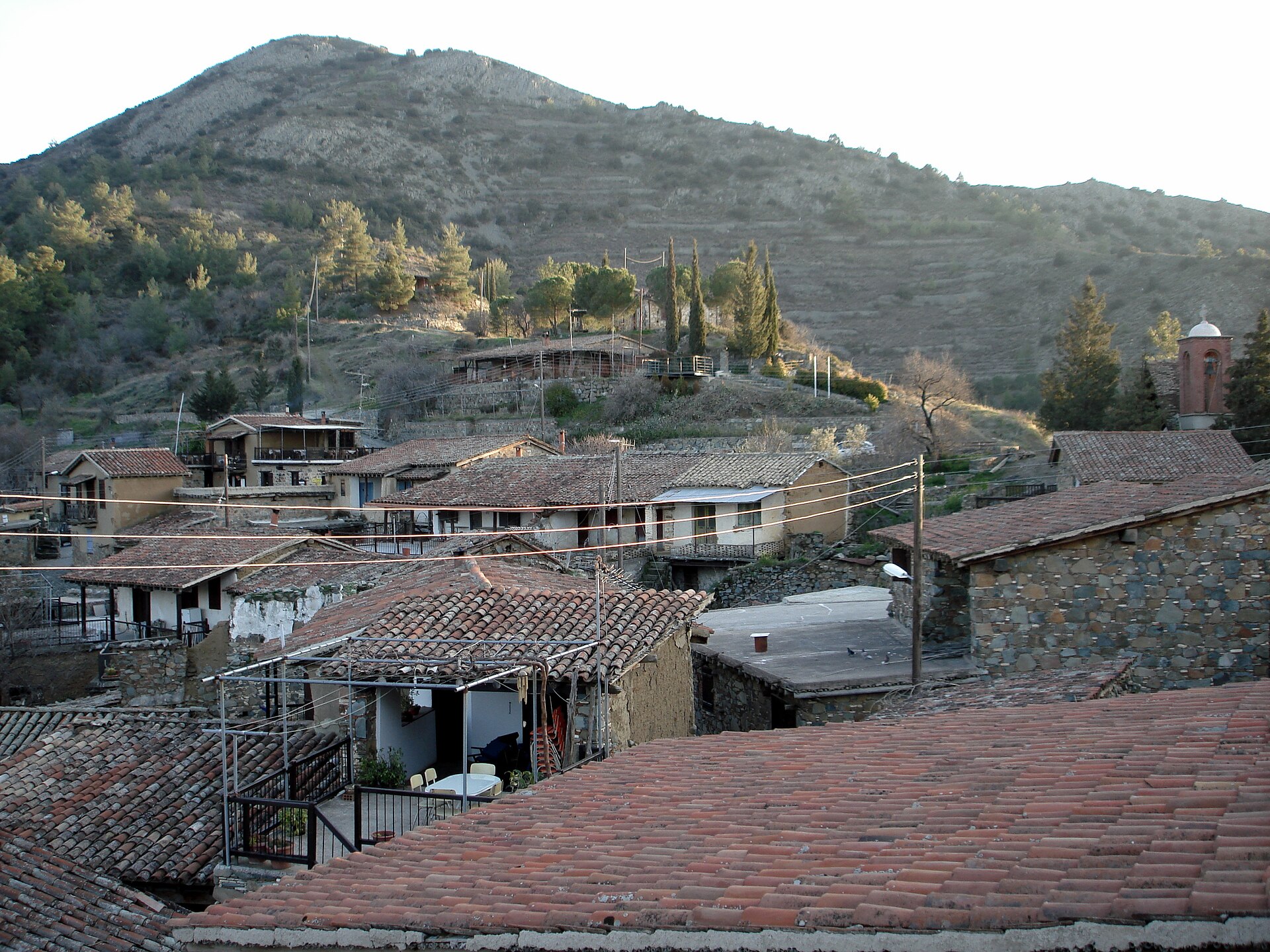
Stone and timber houses of the traditional village of Fikardou in the Cypriot mountains.

CCyprus

Fikardou village

An inhabited cultural landscape rather than an isolated monument, where settlement history and lived memory are documented at village scale.

Fikardou applies the approach to an inhabited cultural landscape rather than an isolated object or building. It demonstrates that a Memory Twin can operate at village scale.

Two

Heritage Malta cases that demonstrate Memory Twin practice

These do not all present themselves as completed Memory Twins, but they show how the framework is being implemented institutionally, and at what scale.

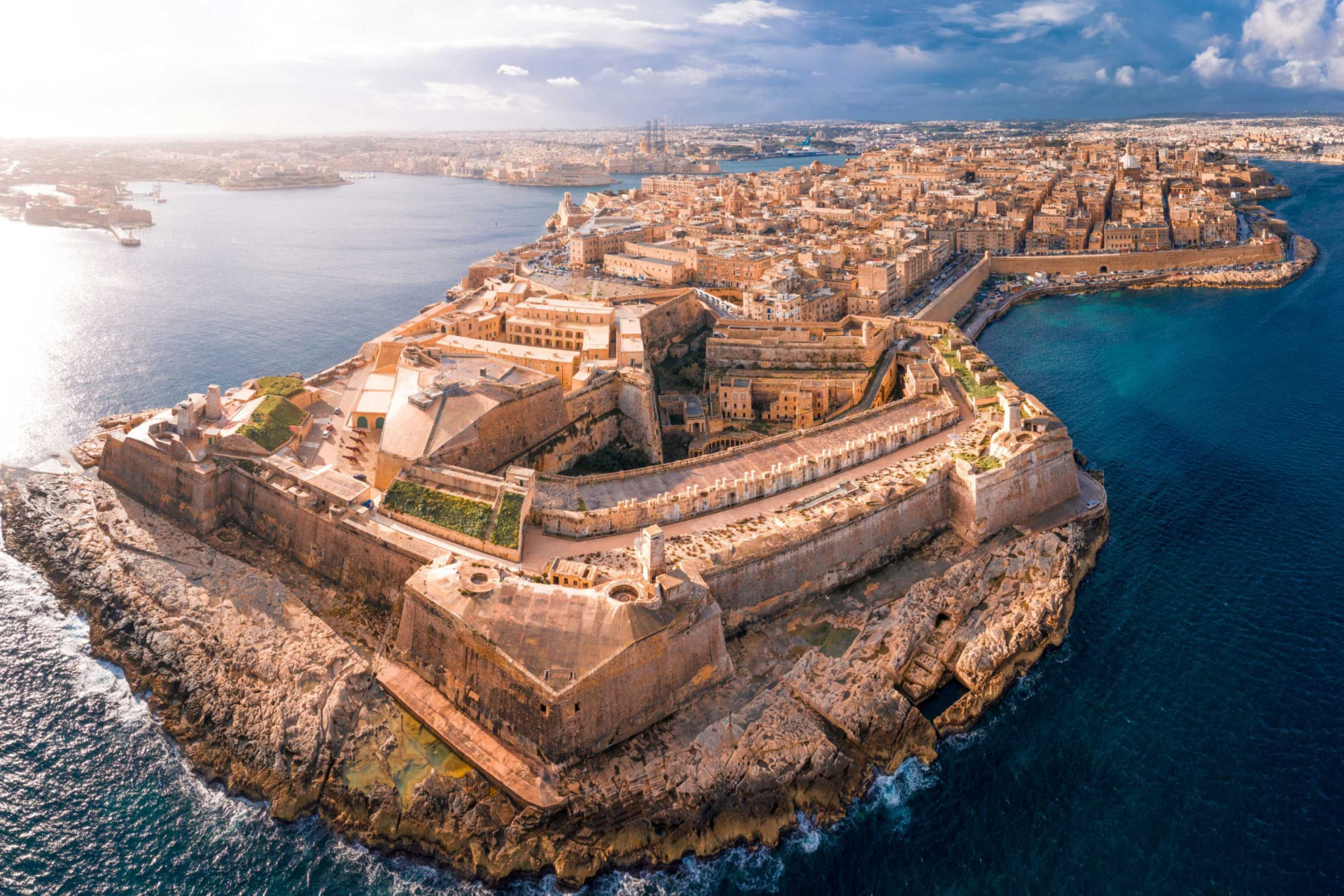
Aerial view of Fort Manoel and Valletta's fortifications across the harbour in Malta.

DHeritage Malta

Digitising Malta’s National Collection

Not a finished object-level Memory Twin, but the institutional infrastructure required to produce Memory Twins at national scale.

It shows how Memory Twin principles move from a single demonstrator into national collection policy, prioritisation, acquisition procedures, documentation standards, CMS integration, staff competencies and public reuse.

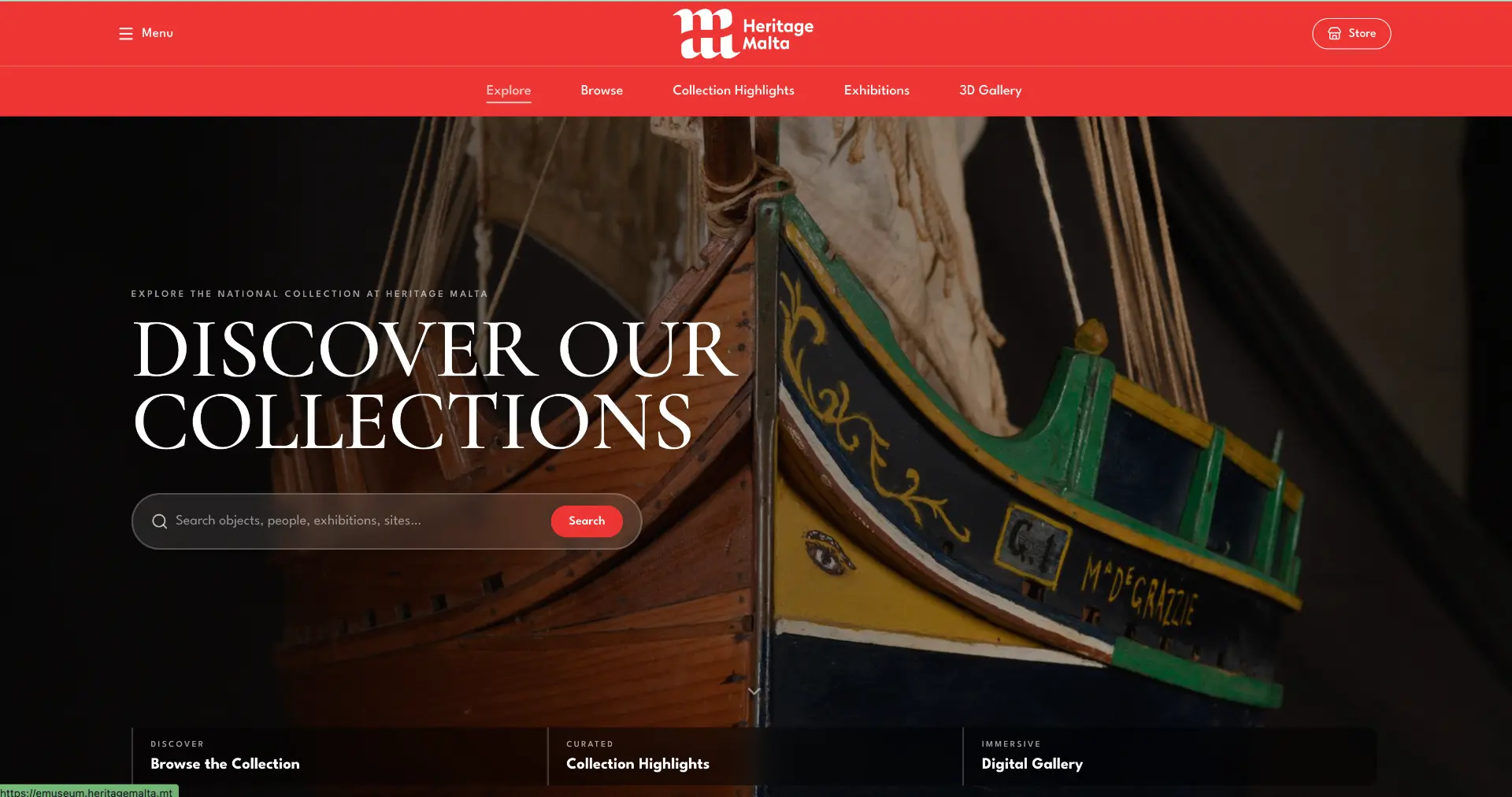
Heritage Malta's online national collection portal showing a traditional Maltese boat model.

EHeritage Malta

Collections Management System

The continuation of the 2024 programme: where the first work created the digitisation capability, this one structures the knowledge it produces.

The CMS becomes the semantic and administrative backbone linking objects, their digital surrogates and everything known about them — the layer without which a Memory Twin cannot be maintained over time.

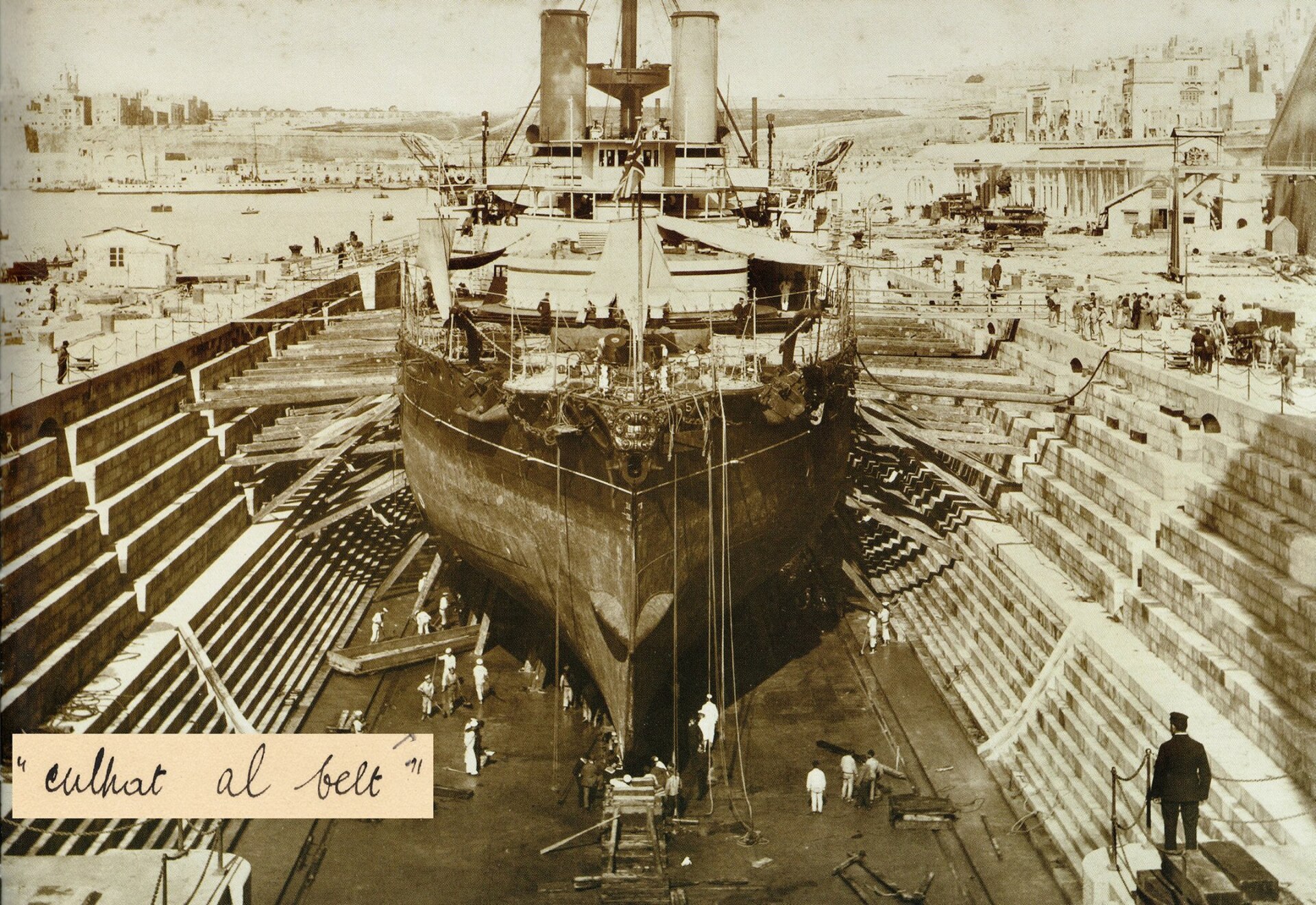
A warship in the naval dockyard of Malta, with the harbour fortifications behind.

FGrand Harbour, Malta

Malta Dockyard collection and oral history

A twin built not around a building but around a working culture: thousands of objects, hundreds of voices and the skills of an industry.

This is the strongest case that a Memory Twin does not require a building-scale 3D model at its centre. The twin can be constructed around a community, a working culture, a distributed collection, oral testimony, skills and objects with personal associations — answering the criticism that Memory Twin is merely an enriched HBIM.