Running commentary · October 2026
When Memory Becomes a Mirror
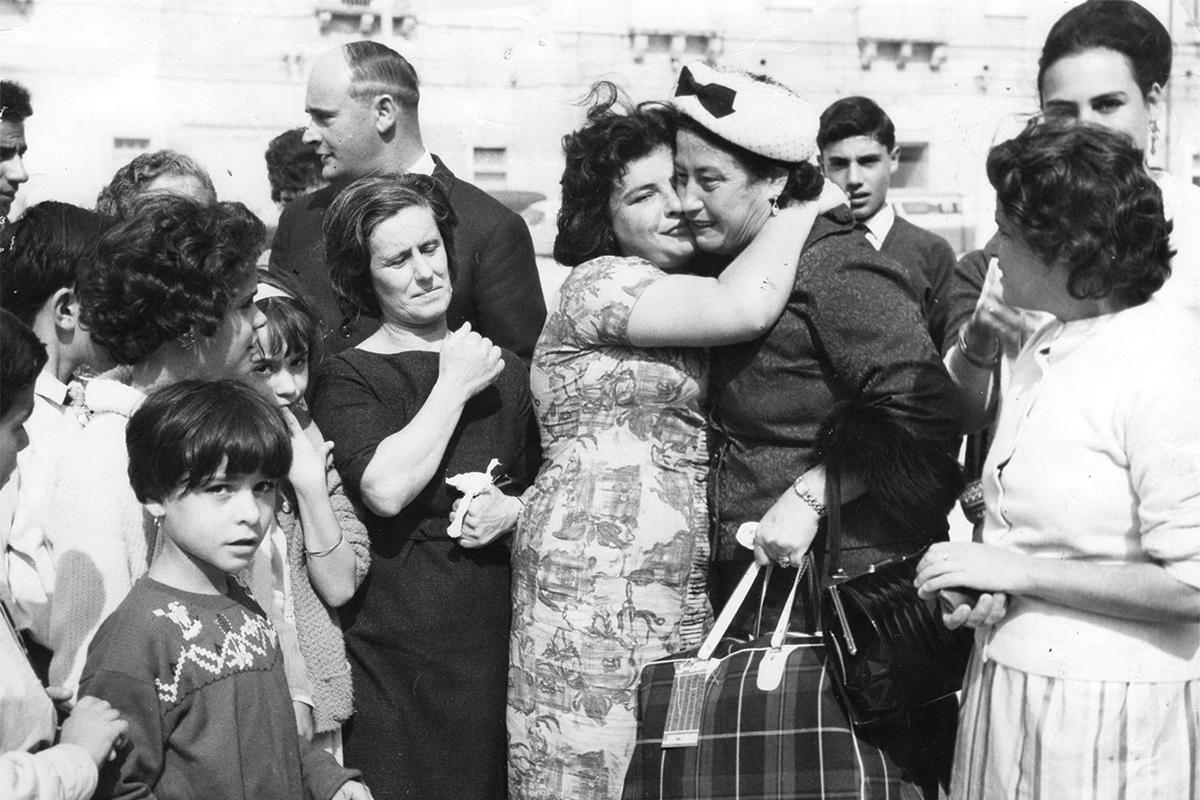
The paper
Carabott, S. (2023). ‘Animal-like parasites’: How Maltese were treated in Australia before WWII. Times of Malta, 24 September 2023.
Rahman came to Malta looking for something many of us would recognise: a better life. Not riches, and certainly not an easy life. He wanted work, some security and, perhaps more than anything else, the possibility that his children might have opportunities he had never had.
At first, he took whatever work he could find. The hours were long and the work was hard. He noticed that others doing much the same job sometimes earned more than him, but Rahman quickly understood that complaining was not a good idea. “You should be grateful you have a job,” he was told. So he worked, saved what he could and kept his head down.
Eventually, after years of saving, he managed to open a small grocery shop. It wasn't much: a counter, a few shelves, vegetables, sacks of rice, spices and packets of food from home. But it was his, and little by little the shop became something more than a place to earn a living.
Other migrants started dropping by. Someone needed help understanding a letter. Someone else was looking for work. Another had just arrived and did not know where to go. Rahman spoke English quite well by then and knew his way around. He knew a landlord, an employer, a friend of a friend. So, whenever he could, he helped.
Not everyone appreciated his presence. Some people complained about the smell of the food. Others laughed at his accent or spoke slowly to him, assuming that because his English sounded different, he somehow understood less. Sometimes he was told that if he was going to live in Malta, he should learn how things were done here.
Then there were the comments about work.
“You people come here and work for nothing.”
“You're taking Maltese people's jobs.”
One day, after Rahman dared to answer back when someone insulted him, a man turned on him and said: “If you don't like it here, go back to the shithole you came from.”
Rahman said nothing. He had learnt that answering back could cost him more than his dignity.
His children had their own battles. At school, other children laughed at their names, imitated their parents' accents and made jokes about the food they brought from home. One afternoon his son came home and asked him, “Dad, why can't we eat normal food?”
That hurt Rahman more than most of the insults directed at him. He had travelled thousands of kilometres because he wanted his children to have a better life. Now his son was embarrassed by the food Rahman's own mother had taught him to love.
Years passed. Rahman worked, paid his taxes and watched his children grow up in the country they increasingly considered home. His little shop became part of the neighbourhood. Yet there remained moments when he felt that none of it was quite enough, that however long he stayed, someone could still remind him that he wasn't really one of them.
Sometimes he wondered how long someone had to live somewhere before people stopped seeing the immigrant and simply saw the person.
Twenty years? A generation? Perhaps never.
Now let us change one thing
His name.
Rahman is now Giuseppe Gatt.
And the story is no longer happening in Malta. It is happening in Australia.
The unfamiliar food is Maltese food. The strange accent is Maltese. The children whose names are laughed at have Maltese surnames. The labourer accused of accepting lower wages and taking jobs from local people is Maltese.
And the person being told to go back where he came from is one of us.
Suddenly, the story feels different.
But should it?
Because this part is no longer fiction.
Research into the treatment of Maltese migrants in Australia reveals a deeply uncomfortable part of our own migration history. Maltese migrants were described as “parasites”, “coloured” and a “black menace”, and were accused of providing “cheap labour” that threatened Australian jobs and standards of living. The press even published warnings about a “Maltese invasion” and “Maltese menace”.
And the idea of telling the foreigner to “go back” is not something I invented for Rahman's story. Historian Barry York's father Loreto recalled experiencing persistent racism after emigrating to Australia in 1954, including repeatedly hearing: “bloody dagoes, why don't you go back?”
There is something deeply uncomfortable in that parallel.
When we were the migrants
We Maltese know what migration means because it is part of our collective memory. We know what it means to leave these islands searching for work and a better future. Generations of Maltese arrived in other countries with unfamiliar surnames, accents and customs, often accepting difficult work because their families depended on them.
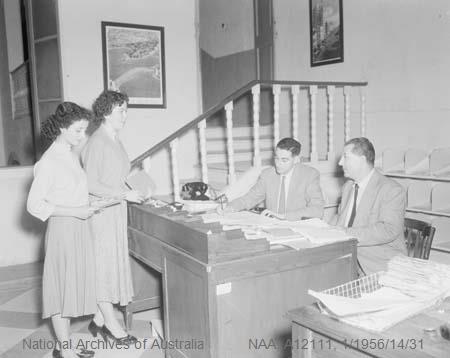
We quite rightly remember the success stories. We celebrate the Maltese communities established in Australia, Canada, Britain and elsewhere. We remember the businesses they created, the families they raised and everything they contributed to their new countries.
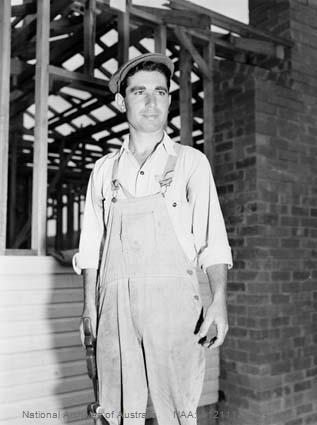
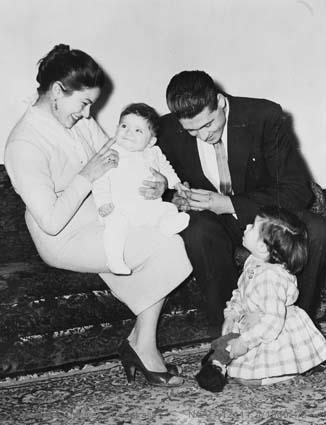
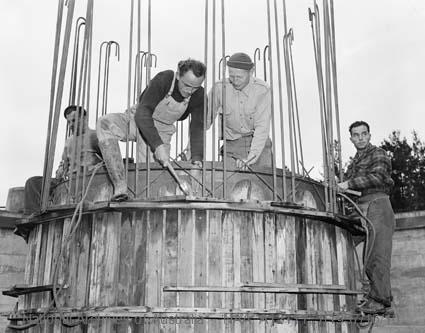
But collective memory can also be selective.
We are perhaps less comfortable remembering what sometimes came before that success: the rejection, the prejudice, the accusations of stealing jobs, the claims that Maltese workers were driving wages down, and the experience of being regarded as inferior or somehow not belonging.
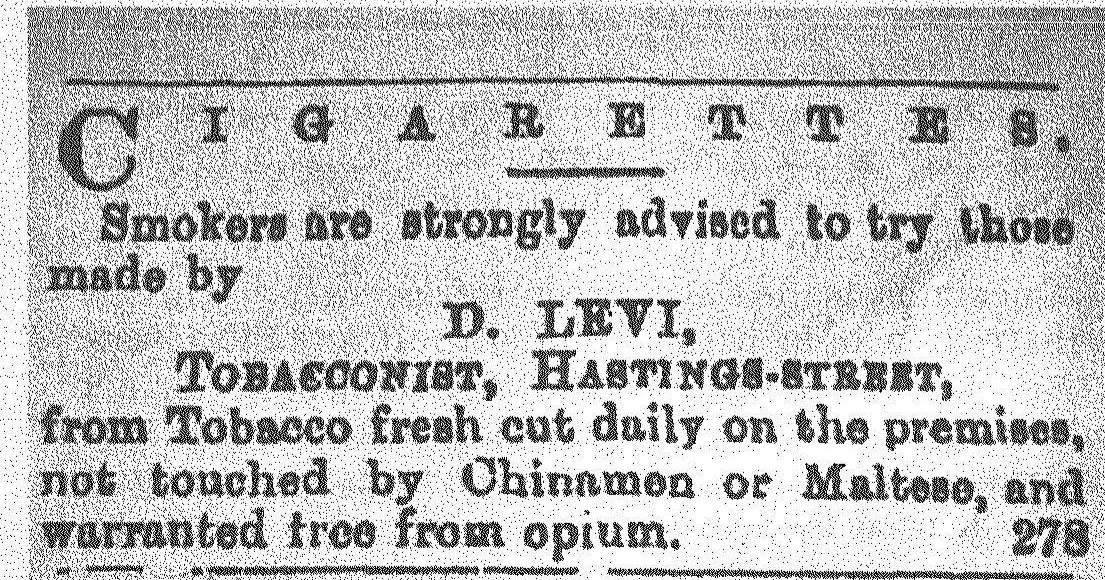
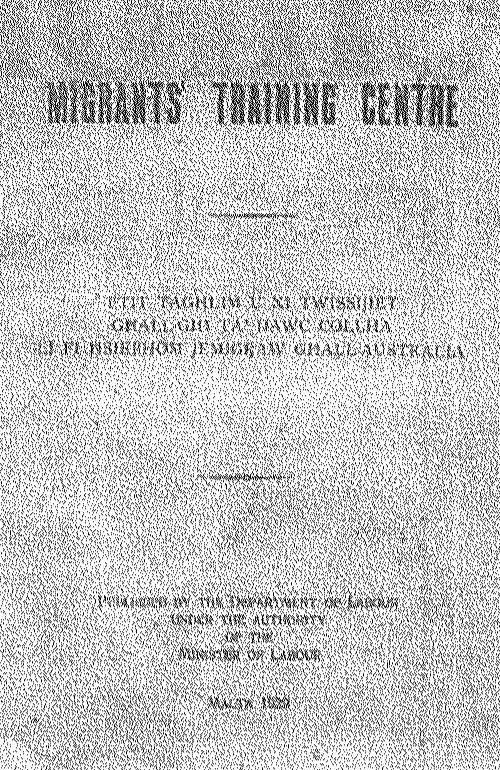
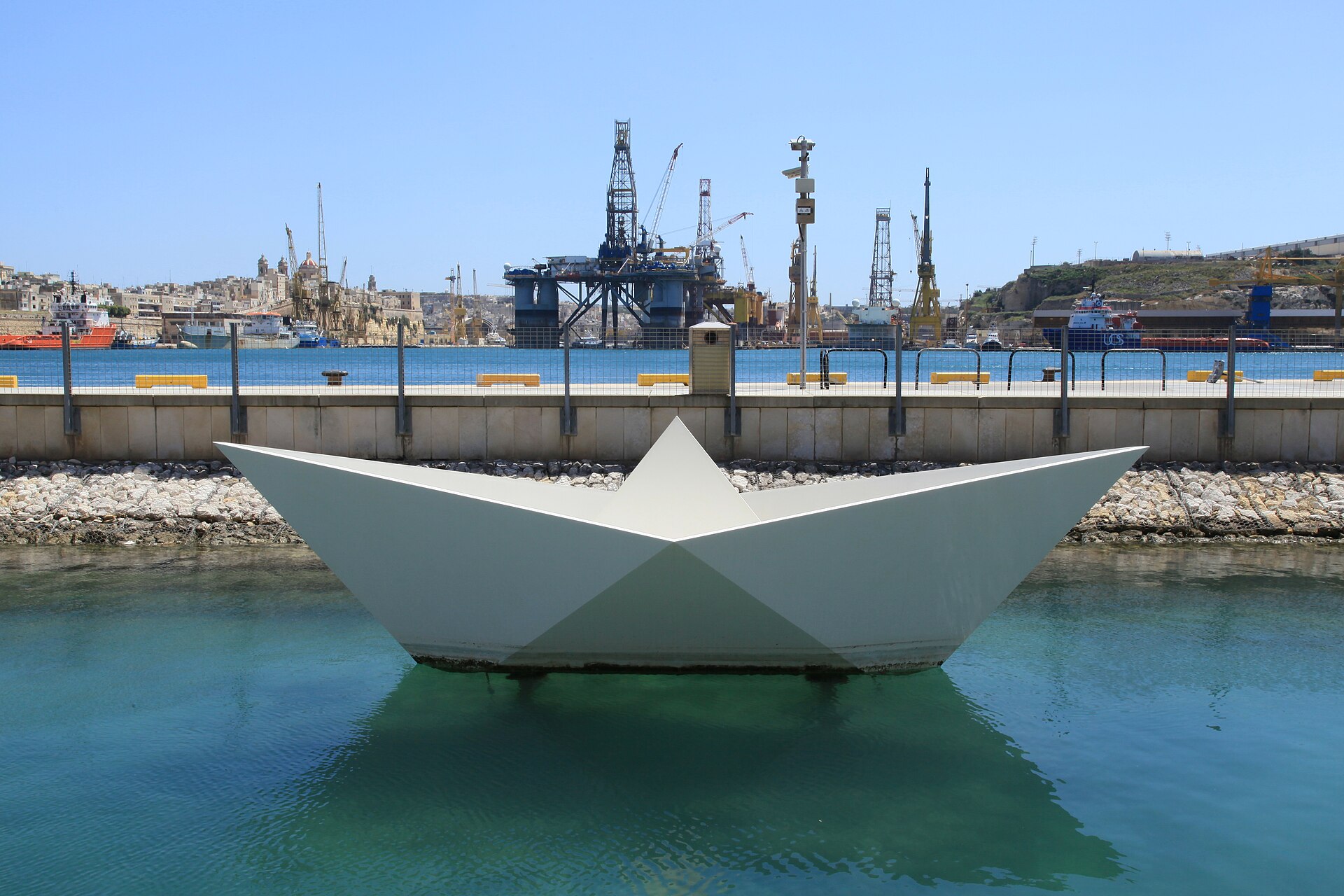
And this is where, for me, the idea of the Memory Twin becomes particularly important.
Memory is more than what we digitise
My work on the Memory Twin has never been simply about creating better digital representations of cultural heritage.
We can digitise an object. We can scan a photograph or newspaper. We can record an oral history. We can capture a building in three dimensions. These are enormously important activities, but memory does not reside solely in the things we digitise.
Around those things are people, experiences, relationships, evidence, interpretations and sometimes uncomfortable stories. Together, these different layers help us understand not simply what something is, but why it matters.
A photograph of Maltese migrants is one piece of memory. A newspaper describing those migrants as a threat adds another layer. The testimony of somebody who remembers being insulted because he was Maltese adds something else again. And our interpretation of that material today becomes part of an evolving relationship between past and present.
For me, this is where a Memory Twin becomes powerful. It should not simply help us ask, “What happened?” It should enable us to preserve enough context to ask the much more difficult question: “What does what happened mean to us today?”
Heritage should sometimes make us uncomfortable.
If we digitise only the things of which we are proud, we create an incomplete memory. If we preserve a photograph but disconnect it from the prejudice experienced by the people within it, we may preserve the image while losing part of its meaning.
And if we remember how Maltese migrants were treated abroad, but fail to recognise comparable language and attitudes when they appear around us today, then perhaps we have remembered the history but missed its lesson.
Rahman and Giuseppe are fictional characters in this story. Their circumstances are not identical, and history never repeats itself perfectly. But placing them alongside one another allows memory to act as a mirror. It encourages us to recognise patterns that are much easier to condemn when they belong to somebody else's past than when they appear in our own present.
Perhaps that is one of the most important things cultural heritage can do. Not simply remind us of who we were, but occasionally force us to stop and ask who we are becoming.
Memory is not only about remembering what happened to us. Its real test comes when we recognise something of our own past in the person standing in front of us today.
This is a personal reading by Anthony Cassar, PhD research fellow on the Memory Twin Framework. The views expressed are my own.
Join the conversation
Share your thoughts. Submissions are saved for review. Your name and comment may be published under this article, together with a reply. Your email address will never be published.