The papers
Publications
Six peer-reviewed publications by Anthony Cassar, Marinos Ioannides and colleagues on the Memory Twin Framework, paradata, and cultural heritage documentation.
Read the publications
Digitising Heritage. Preserving Authenticity. Building Knowledge.
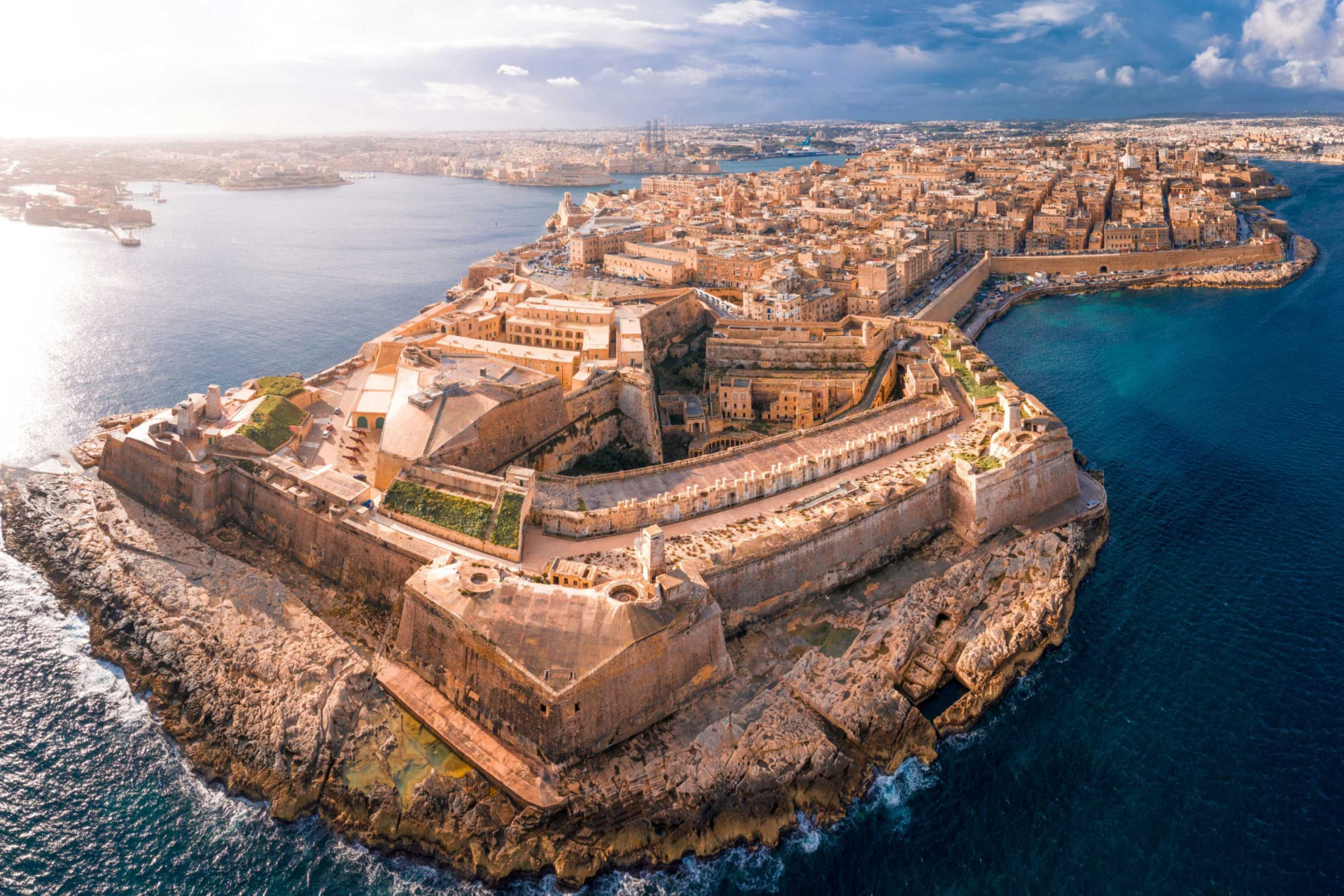
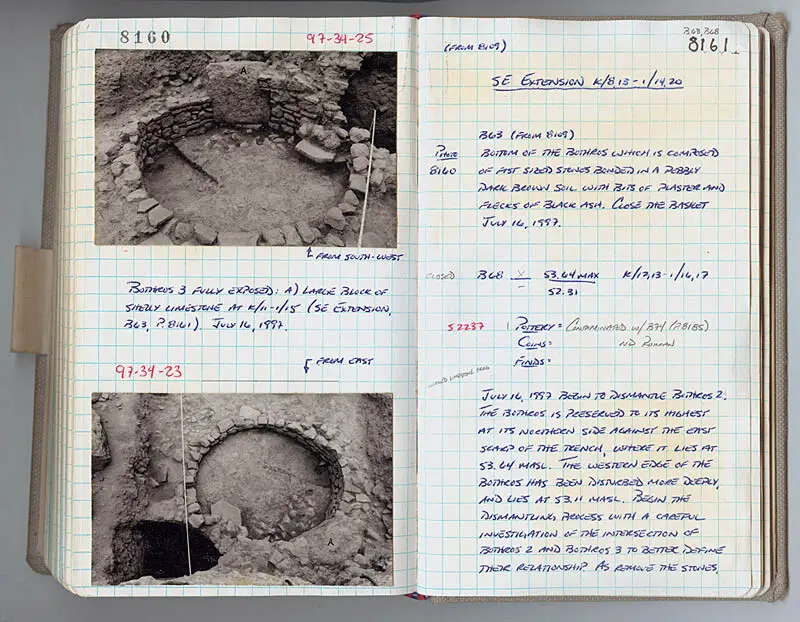
The Memory Twin framework extends the concept of the Digital Twin beyond geometry alone. Where a Digital Twin replicates the physical form of a heritage asset, a Memory Twin embeds that geometry within layers of data, metadata, and paradata; capturing not only what an object looks like, but why it was documented that way, what remains uncertain, and what history, use, and meaning surround it. Grounded in CIDOC-CRM, FAIR and CARE principles, and aligned with EU standards such as VIGIE2020/654, the framework treats authenticity as something to be actively preserved through transparent, traceable documentation, not assumed from a scan alone. Applied to certified digitisation, it ensures that 3D models of cultural heritage remain scientifically defensible, reusable across disciplines, and resistant to the silent gap-filling risks of future AI systems. The goal is a digital record that doesn't just show a monument, but remembers it, safeguarding both its physical form and its cultural knowledge for generations to come.